Introduction to Insurance
Insurance is a financial tool designed to provide protection against unforeseen risks and losses. It acts as a safety net, helping individuals, families, and businesses recover financially from unexpected events such as accidents, natural disasters, illness, or death. By paying a relatively small premium, policyholders can secure themselves against potentially devastating financial consequences.
The Concept of Risk Management
At its core, insurance is based on the principle of risk management. Risk refers to the possibility of loss or damage. Insurance companies pool the risks of many individuals, spreading the financial burden across a large group. This system ensures that no single individual bears the full cost of a loss.
For example, if thousands of people pay premiums for car insurance, only a small percentage will actually experience accidents. The collected premiums are then used to compensate those who suffer losses. This makes insurance both practical and sustainable.
Types of Insurance
Life Insurance
Life insurance provides financial support to beneficiaries after the policyholder’s death. It is especially important for individuals who have dependents relying on their income. There are several types of life insurance, including term life insurance, whole life insurance, and universal life insurance.
Health Insurance
Health insurance covers medical expenses such as doctor visits, hospital stays, surgeries, and medications. With rising healthcare costs, having health insurance is essential to avoid financial strain during medical emergencies.
Property Insurance
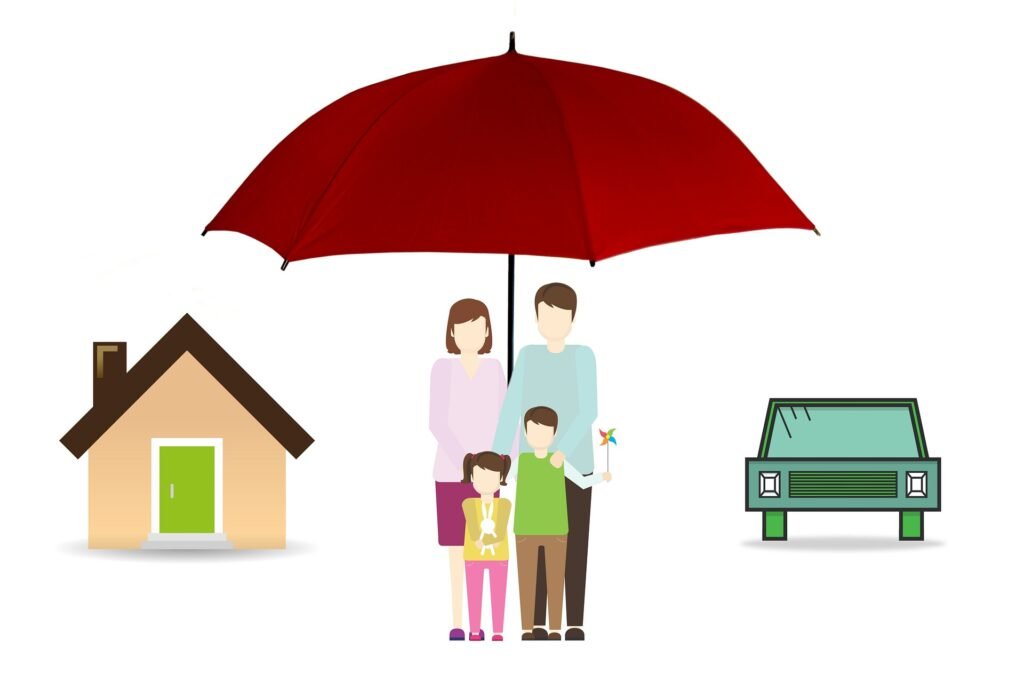
Property insurance protects physical assets like homes, buildings, and personal belongings. Homeowners insurance and renters insurance fall under this category, offering coverage against theft, fire, and natural disasters.
Auto Insurance
Auto insurance provides coverage for vehicles against accidents, theft, and damage. It may also include liability coverage, which pays for damages caused to others in an accident.
Business Insurance
Businesses face a variety of risks, including property damage, legal liability, and employee-related issues. Business insurance helps protect companies from financial losses and ensures continuity in case of disruptions.
How Insurance Works
Premiums
A premium is the amount paid by the policyholder to the insurance company, usually on a monthly or annual basis. The cost of premiums depends on factors such as age, health, location, and the level of coverage.
Policy
An insurance policy is a legal contract between the insurer and the insured. It outlines the terms, conditions, coverage limits, and exclusions.
Claims
When a loss occurs, the policyholder files a claim with the insurance company. After evaluating the claim, the insurer compensates the policyholder based on the policy terms.
Deductibles
A deductible is the amount the policyholder must pay out of pocket before the insurance company covers the remaining costs. Higher deductibles usually result in lower premiums.
Benefits of Insurance
Financial Security
Insurance provides peace of mind by ensuring that financial losses are minimized. Whether it is a medical emergency or property damage, insurance helps cover the costs.
Risk Sharing
By pooling resources, insurance distributes risk among many individuals, making it easier to handle large financial losses.
Encourages Savings and Investment
Certain types of insurance, such as whole life insurance, include a savings component. These policies can help individuals build wealth over time.
Supports Economic Stability
Insurance plays a vital role in the economy by enabling businesses to operate without fear of catastrophic losses. It also promotes investment and innovation.
Challenges and Limitations
Cost of Premiums
Insurance can be expensive, especially for comprehensive coverage. Some individuals may find it difficult to afford premiums.
Complex Terms and Conditions
Insurance policies often include technical language and detailed conditions, making them difficult to understand for the average person.
Claim Denials
In some cases, claims may be denied due to policy exclusions or incomplete documentation. This can lead to dissatisfaction among policyholders.
Choosing the Right Insurance
Assess Your Needs
Before purchasing insurance, it is important to evaluate your financial situation, lifestyle, and risks. For example, a young individual may prioritize health insurance, while a family may need life insurance.
Compare Policies
Different insurers offer varying coverage options and premiums. Comparing multiple policies helps in finding the best deal.
Understand the Terms
Carefully read the policy document to understand coverage limits, exclusions, and claim procedures.
Check the Insurer’s Reputation
Choose a reliable insurance company with a strong track record of customer service and claim settlement.
The Future of Insurance
The insurance industry is evolving rapidly with advancements in technology. Digital platforms, artificial intelligence, and data analytics are transforming how insurance products are designed and delivered. Customers can now purchase policies online, file claims digitally, and receive faster service.
Usage-based insurance, especially in auto insurance, is becoming popular. It uses data from devices to determine premiums based on actual behavior, such as driving habits. Similarly, health insurance companies are encouraging healthy lifestyles by offering incentives for fitness tracking.
Conclusion
Insurance is an essential part of modern life, providing financial protection and peace of mind in uncertain situations. From safeguarding health and life to protecting property and businesses, insurance plays a crucial role in risk management and economic stability. While it comes with certain challenges, understanding how insurance works and choosing the right policy can help individuals and organizations secure their future effectively.
By making informed decisions and staying aware of available options, one can maximize the benefits of insurance and ensure long-term financial well-being.